Heritage Directory
Find a heritage record
Search the national directory, narrow it to one Place, or change the order.

Banff Bridge
Place: Banff
Seven broad arches carry the A98 across the Deveron on an eighteenth-century bridge recently protected against increasing scour risk.
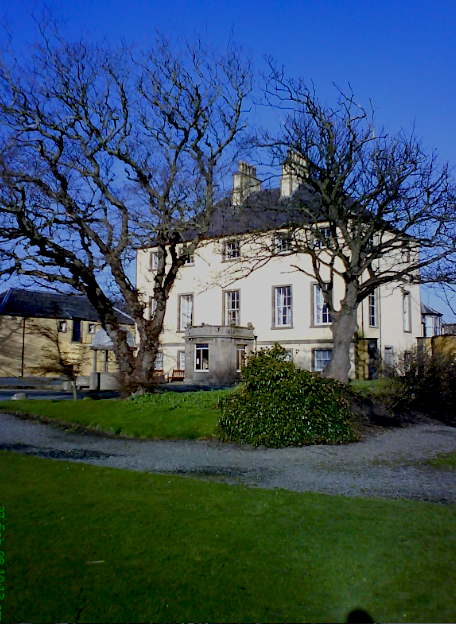
Banff Castle
Place: Banff
John Adam’s Georgian mansion occupies Banff’s medieval castle site and now serves as a community-run venue.

Banff Harbour
Place: Banff
Stonework by two of Britain’s leading engineers frames a sheltered three-basin harbour now used principally for recreation.
Banff Museum and Library
Place: Banff
A purpose-built Edwardian cultural building still shares its rooms between books, public services and collections telling Banffshire’s story.
Banff Primary School
Place: Banff
A long Neo-Greek school front with a six-column Ionic portico continues to serve pupils above the River Deveron.
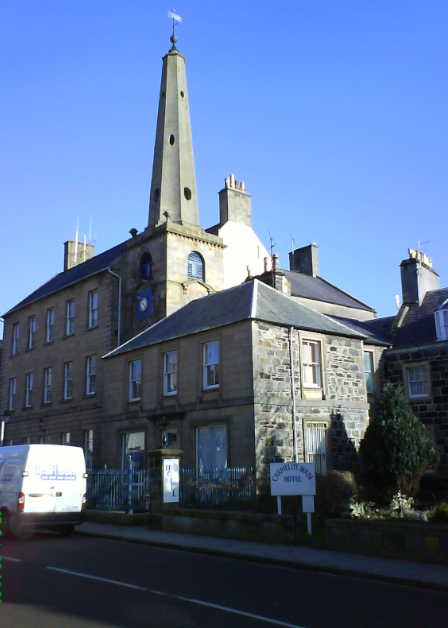
Banff Town House
Place: Banff
A refined late eighteenth-century town house and tower continue to represent civic government at the centre of Banff.
Bank House
Place: Thornhill
A Doric porch announces the former Union Bank, now absorbed into the domestic life of Thornhill’s main street.
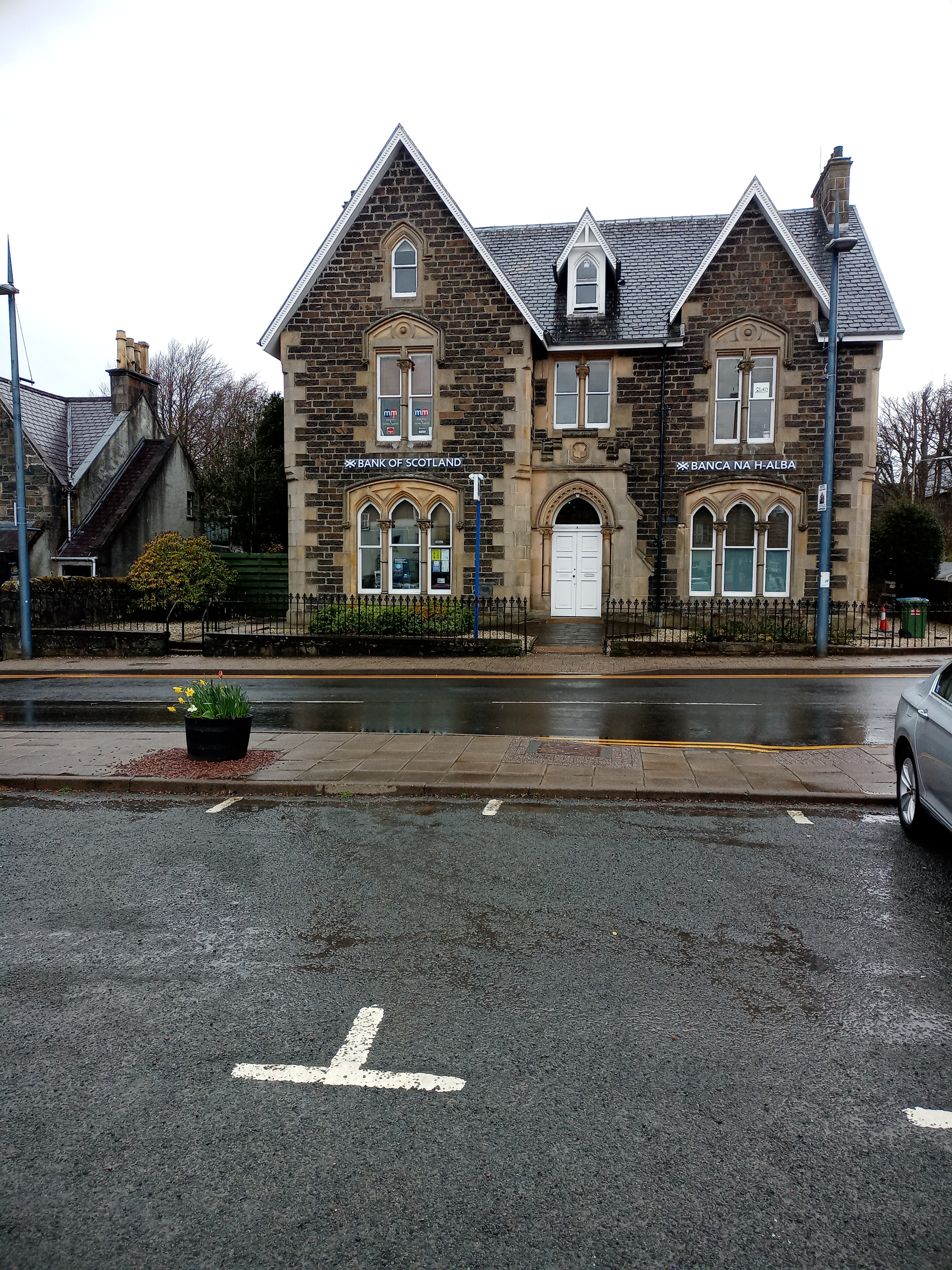
Bank of Scotland, Somerled Square
Place: Portree
Pointed arches, bargeboards and a crenellated porch give this active bank the character of a compact Gothic villa.

Bank of Scotland, St Vincent Street
Place: Glasgow
James Miller gave a tall commercial block the gravity of a classical temple through a giant Ionic colonnade on St Vincent Street.
Bank Railway Viaduct
Place: Cumnock
Thirteen stone arches carry the active railway high above Lugar Water, making Bank Viaduct both a working structure and Cumnock’s largest engineering landmark.
Bankton House
Place: Tranent
A fire-damaged laird’s house associated with Colonel James Gardiner was carefully reconstructed for residential use in the 1990s.
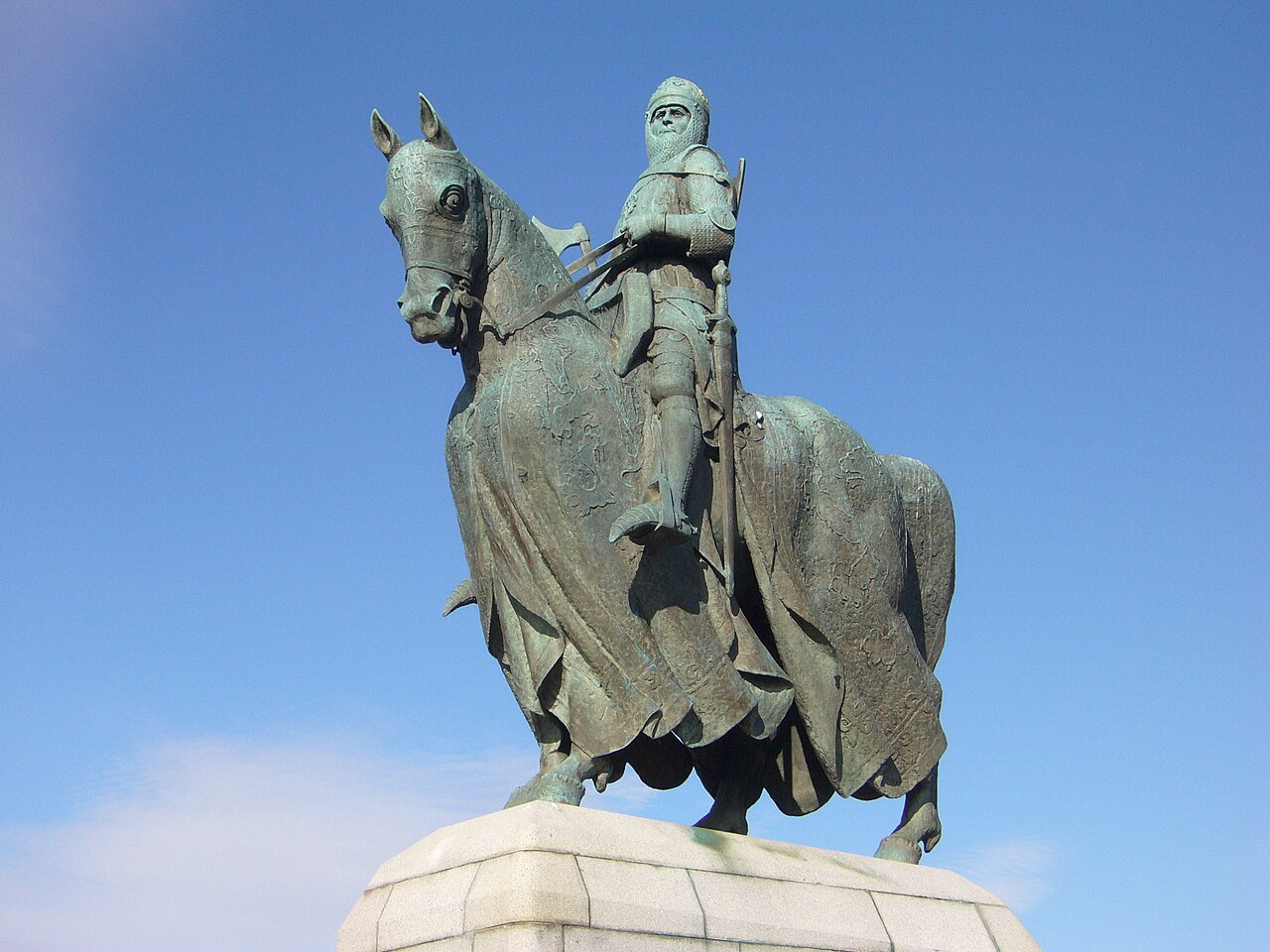
Bannockburn Rotunda and Robert the Bruce Memorial
Place: Stirling
A choreographed post-war landscape of architecture and sculpture, the Bannockburn rotunda, cairn, flagpole and equestrian Bruce turn the traditional Borestone site into a modern national memorial.
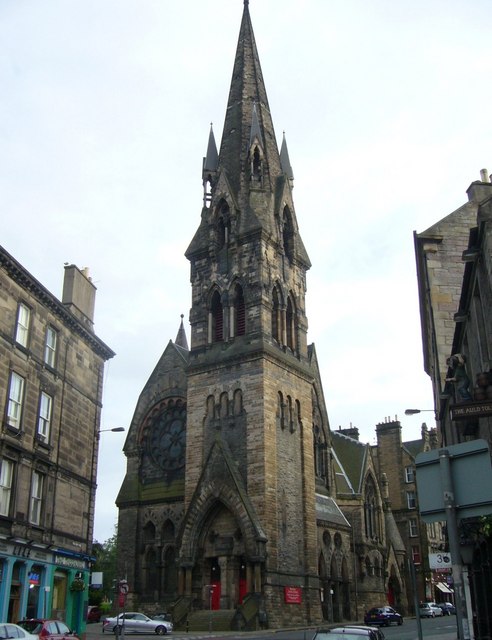
Barclay Viewforth Church
Place: Edinburgh
Pilkington turned an awkward triangular site into one of Edinburgh’s most inventive churches, dominated by a 292-foot faceted stone spire.
Barns House
Place: Ayr
An early gabled house and refined nineteenth-century front survive with unusually complete garden and ancillary features near Ayr’s civic centre.
Barns House, Maybole
Place: Maybole
Barns House is a restrained early-nineteenth-century residence whose symmetry and finely handled doorway depend on proportion rather than conspicuous ornament.

Barony Hall
Place: Glasgow
A red-sandstone Gothic landmark whose richly detailed former church interior now serves University graduations and booked events.
Barrhead Burgh Chambers
Place: Barrhead
Barrhead’s former council offices compress crowsteps, strapwork, heraldry and a great arched window into a two-bay red-sandstone frontage.
Barrhead Burgh Court Hall
Place: Barrhead
A clock tower, crowsteps, red sandstone and figures of Justice turn Barrhead’s 1904 court hall into an exuberant statement of burgh identity.
Barrhead South Parish Church
Place: Barrhead
An ashlar Free Church of 1846 uses aisles, fan-headed glazing and a broad triple window to give Main Street a disciplined ecclesiastical front.
Barry Hill Fort
Place: Alyth
Massive ramparts crown Barry Hill above Strathmore, preserving repeated phases of Iron Age enclosure and a commanding relationship with the valley.
Bassendean House
Place: Gordon
This long, narrow three-storey house retains an old Scottish form, a 1690 sundial and a dated Victorian porch.