Heritage Directory
Find a heritage record
Search the national directory, narrow it to one Place, or change the order.
Tarradale Chambered Cairn
Place: Muir of Ord
Two chambers of different plans make Tarradale an unusual Neolithic tomb and part of a wider concentration of cairns between the Beauly and Cromarty firths.
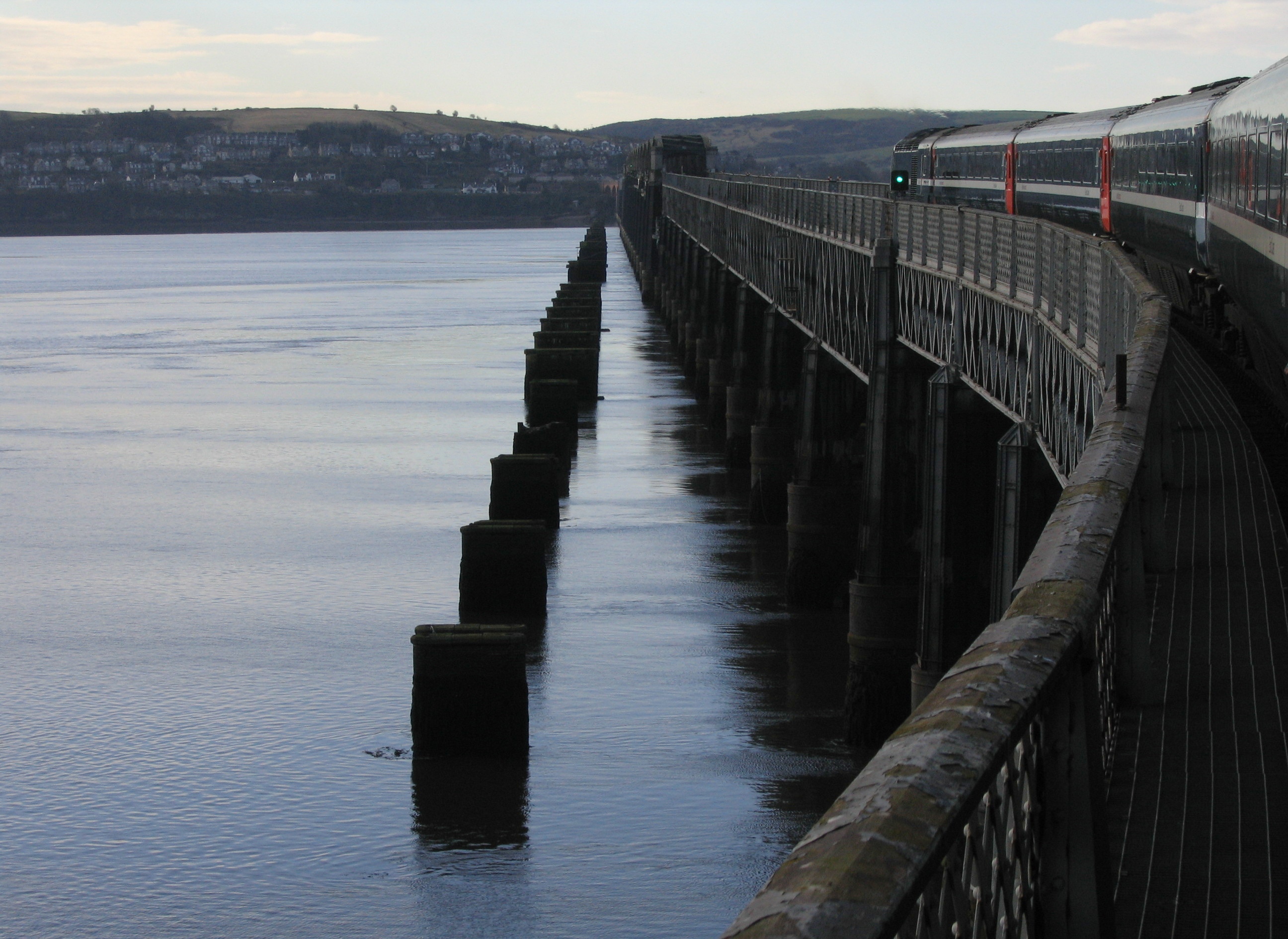
Tay Railway Bridge
Place: Dundee
The second Tay Railway Bridge is a vast working monument to Victorian railway engineering, built after the 1879 disaster and still carrying trains across more than three kilometres of tidal estuary between Dundee and Fife.
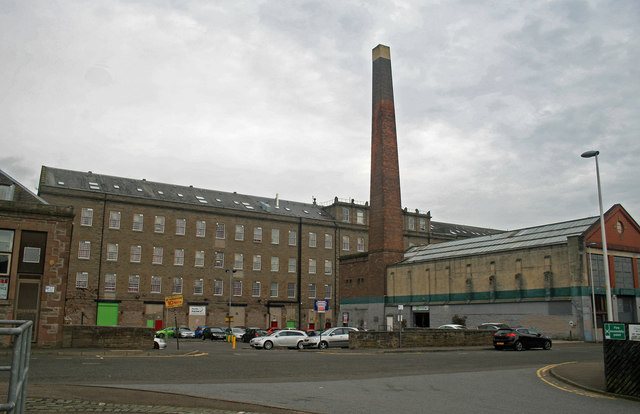
Tay Works
Place: Dundee
One of Dundee’s most imposing jute complexes survives through successive adaptations at the edge of the city centre.
Tayport Harbour
Place: Tayport
Two harbour basins and surviving railway structures record Tayport’s role as the northern terminal of the train ferry across the Tay.
Tayport Primary School
Place: Tayport
John Milne’s towered Victorian school remains in educational use alongside a substantial interwar range overlooking the Tay.
Teaninich House
Place: Alness
A late eighteenth-century house encased in an early Gothic-castellated front combines Munro estate history with an unusually theatrical approach to domestic improvement.
Telford House
Place: Burghead
Built into the headland above the harbour, this tall former warehouse embodies Burghead’s early nineteenth-century grain-export economy.
Telford’s South Calder Bridge
Place: Newmains
A single precise stone arch belongs to Thomas Telford’s coordinated programme of road improvement across Lanarkshire.
Temperate Palm House, Royal Botanic Garden Edinburgh
Place: Edinburgh
Robert Matheson’s 1856–1858 Temperate Palm House combines a classical sandstone base with a soaring two-stage iron-and-glass roof, restored for a scheduled public reopening on 2 October 2026.
Templand Mains Enclosure
Place: Thornhill
A scheduled earthwork retains an older Roman title, although later aerial-photographic study identifies it more convincingly as a prehistoric homestead.
Temple of Pomona
Place: Cullen
An eight-column Ionic rotunda crowns a hilltop above the surviving shell of a circular estate tearoom.
Temple of the Muses, Dryburgh
Place: Dryburgh
A circular columned temple above the Tweed commemorates poet James Thomson and the imaginative culture of the Dryburgh estate.
Temple of Venus
Place: Macduff
William Adam’s small domed rotunda frames six open arches on the Hill of Doune, combining estate ornament, shelter and long views.
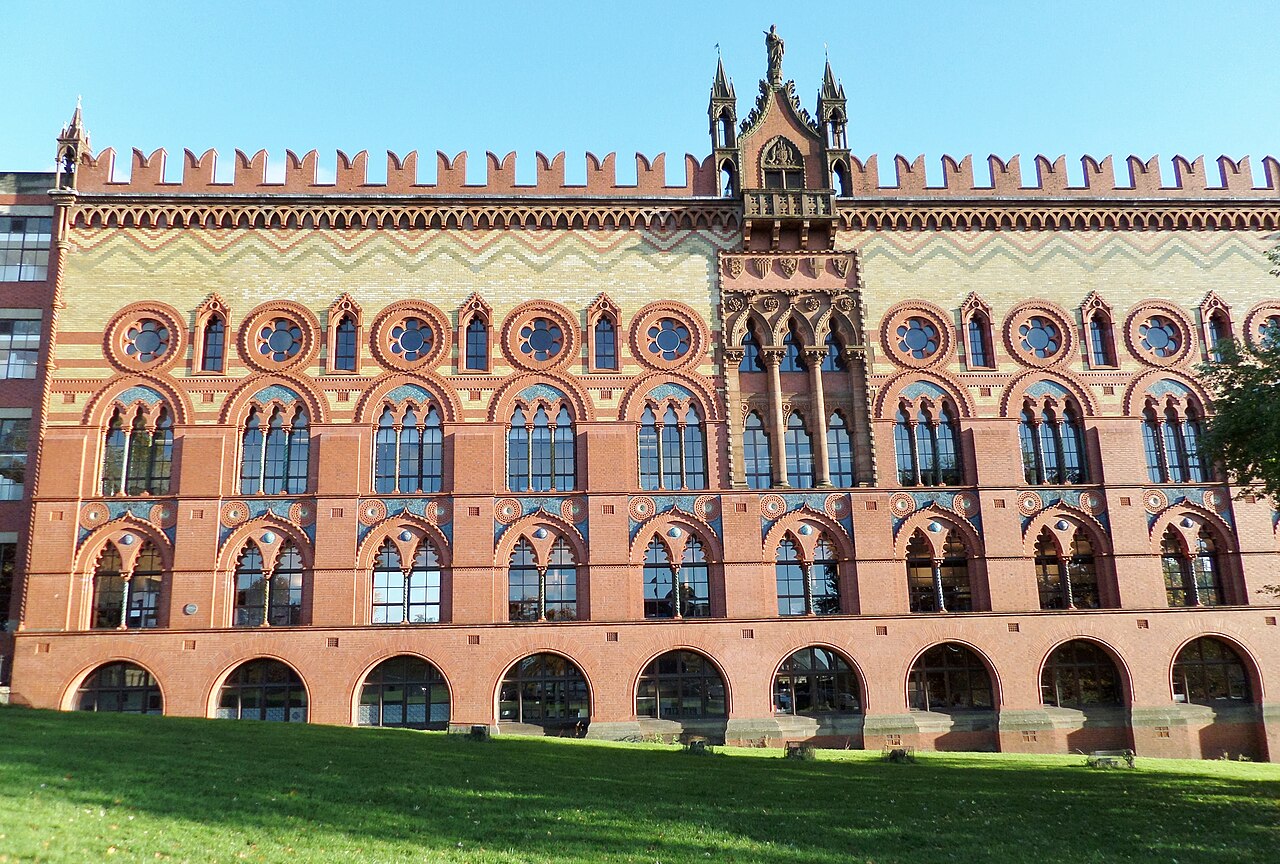
Templeton Carpet Factory
Place: Glasgow
One of Scotland’s most colourful industrial façades survives within a mixed-use complex beside Glasgow Green.
The Albert Halls, Stirling
Place: Stirling
A richly dressed Victorian hall still gathers Stirling for music, festivals, civic occasions and community events in the role for which it was built.
The Allan Park Hotel
Place: Stirling
A dignified late Georgian house retains its domestic scale while supporting a busy hospitality use close to Stirling centre.
The Athenaeum, Stirling
Place: Stirling
Curving classical façades lead the eye to a clock tower, Tuscan drum, spire and William Wallace statue at the head of King Street.

The Auld Kirk of Ayr
Place: Ayr
A rare 1652–1654 burgh kirk created after Cromwell’s citadel displaced Ayr’s medieval parish church, with a richly layered galleried interior still serving active worship.
The Balmoral Hotel
Place: Edinburgh
The former North British railway hotel marks the meeting of Princes Street and North Bridge with one of Edinburgh’s defining clock towers.