Heritage Directory
Find a heritage record
Search the national directory, narrow it to one Place, or change the order.
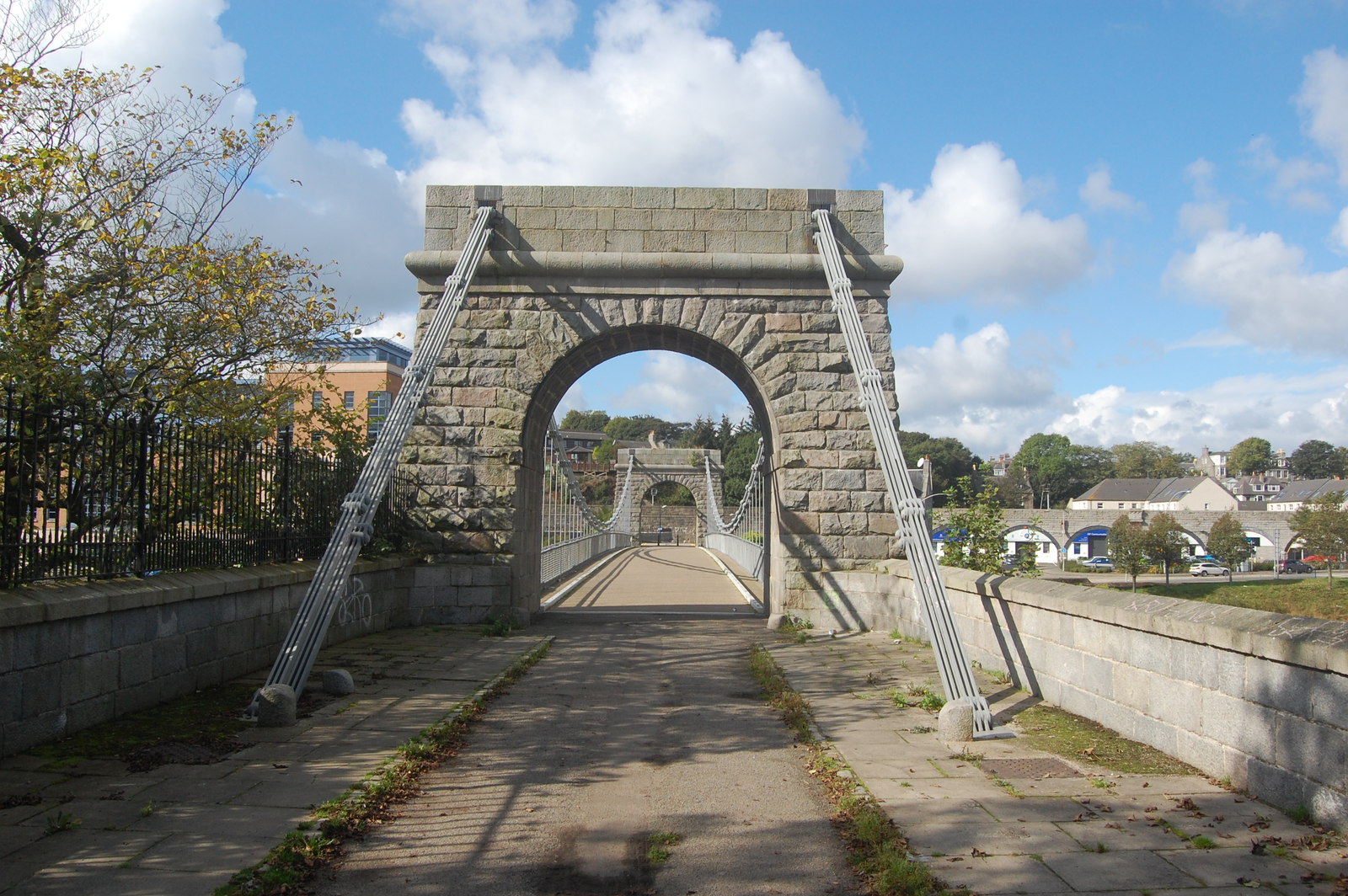
Wellington Suspension Bridge
Place: Aberdeen
Granite pylons and iron chains carry an exceptionally early surviving suspension bridge across the Dee.
Wellmeadow War Memorial
Place: Blairgowrie
An octagonal stone memorial, a bronze mourning soldier and the sheltered Wellmeadow garden give communal remembrance a prominent place in the town centre.
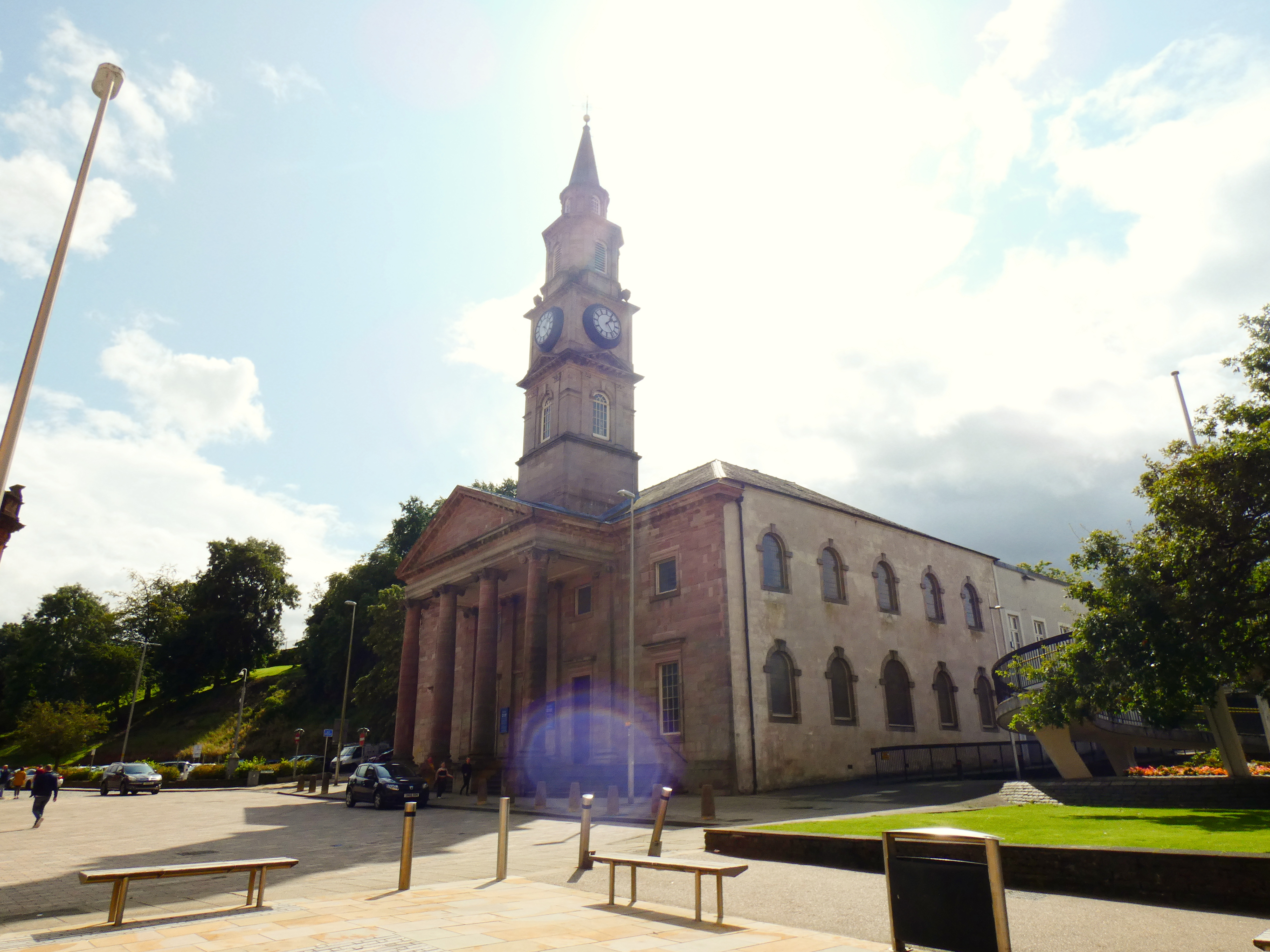
Wellpark Mid Kirk
Place: Greenock
An 18th-century town church whose classical portico and tall spire form one of central Greenock’s most recognisable civic and religious landmarks.
Wellwood Burns Centre and Irvine Burns Club
Place: Irvine
A red-sandstone family house now brings together Irvine Burns Club, a specialist library, museum rooms and continuing cultural events.
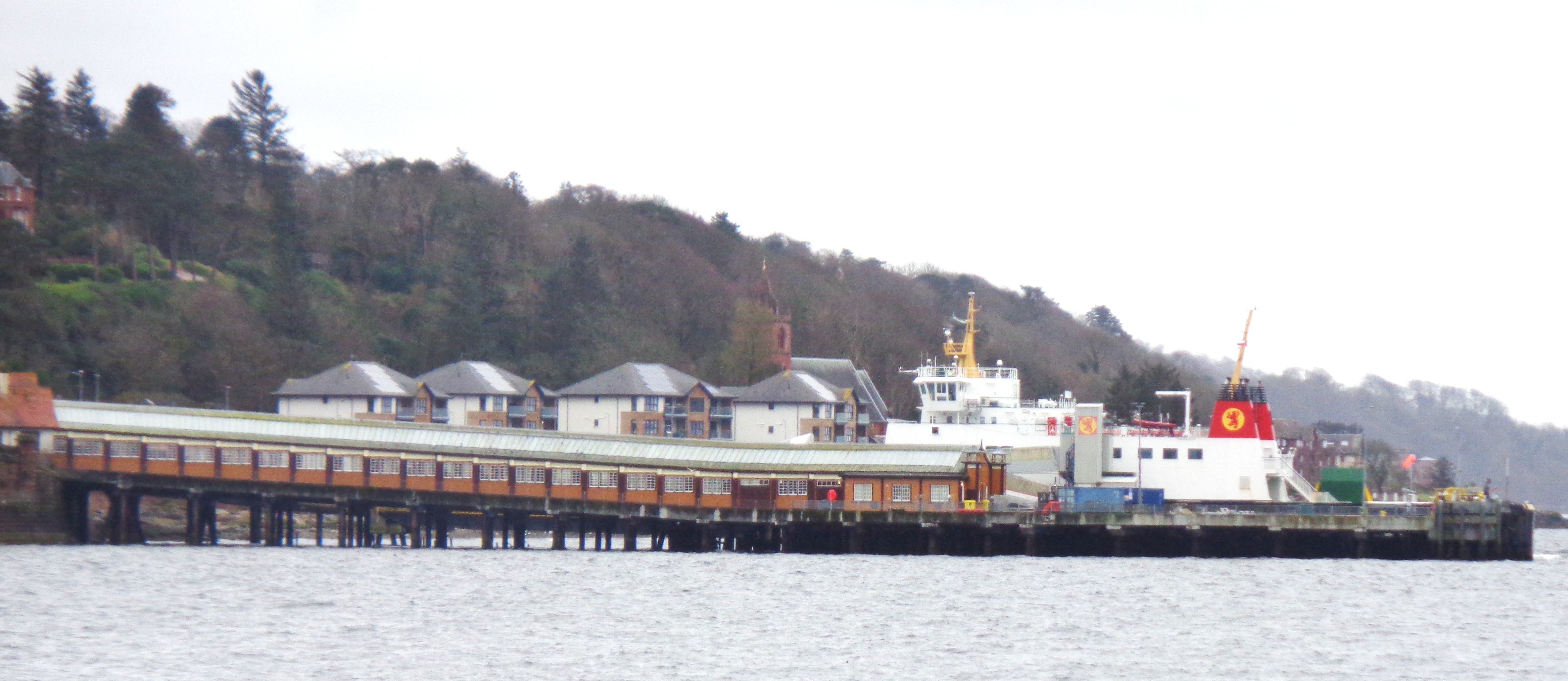
Wemyss Bay Railway Station
Place: Wemyss Bay
James Miller turned the practical transfer between train and steamer into a flowing Edwardian composition of curved platforms, glazed roofs and a circular booking office.
Wemyss Caves
Place: East Wemyss
Nine sandstone caves preserve a rare concentration of Pictish symbols, Christian crosses, later graffiti and evidence for repeated coastal activity.
West (Old) Parish Church
Place: Alford
An early nineteenth-century kirk, enlarged within a generation, preserves an older worship site and an important group of external memorials.
West Highland Museum
Place: Fort William
A former bank in Cameron Square now interprets the archaeology, social history and Jacobite story of the West Highlands.
West Loch Tarbert House at Pier
Place: Tarbert, Isle of Harris
Corrugated-iron walls and roof meet deep masonry gables in a small pier-side cottage adapted from a recognisable standard pattern.
West Loch Tarbert Pier
Place: Tarbert, Isle of Harris
A long rubble approach and stone deck preserve an early landing on the sea route that crosses Harris through Tarbert’s narrow isthmus.
West Parish Churchyard
Place: Alford
An embanked churchyard with book-carved gate and early memorials preserves the long commemorative landscape around Alford’s old parish site.
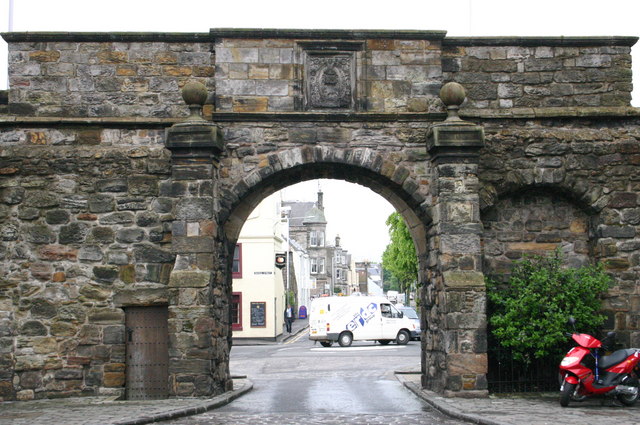
West Port
Place: St Andrews
One of Scotland’s rare surviving urban gateways, built in the late 16th century and reshaped for later traffic while retaining its fortified civic presence.
West Quay Warehouses
Place: Port Glasgow
Low rubble warehouses retain the practical building type that once joined quayside cargo directly to storage.
West Quay, Port Glasgow Harbour
Place: Port Glasgow
Stonework, bollards and embedded rails preserve the working surface of Port Glasgow’s historic harbour.
West Register House
Place: Edinburgh
Robert Reid’s domed former St George’s Church closes Charlotte Square; now a working National Records of Scotland archive and office with no routine walk-in interior access.
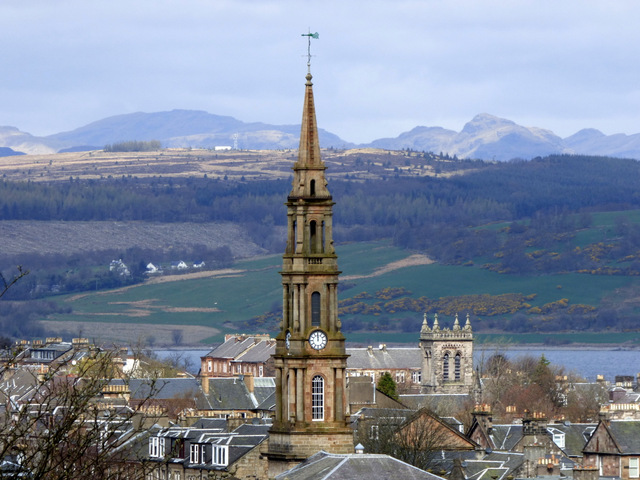
Westburn Church
Place: Greenock
A monumental classical church whose staged tower, rebuilt interior and continuing congregation chart nearly two centuries of Greenock worship.
Wester Aberdour Dovecot
Place: Aberdour
A roofless estate dovecot preserves the practical and symbolic role of pigeons in an early modern landed economy.
Western Baths Club
Place: Glasgow
A Venetian-palazzo-like façade conceals one of Scotland’s rarest and most complete Victorian private swimming interiors.
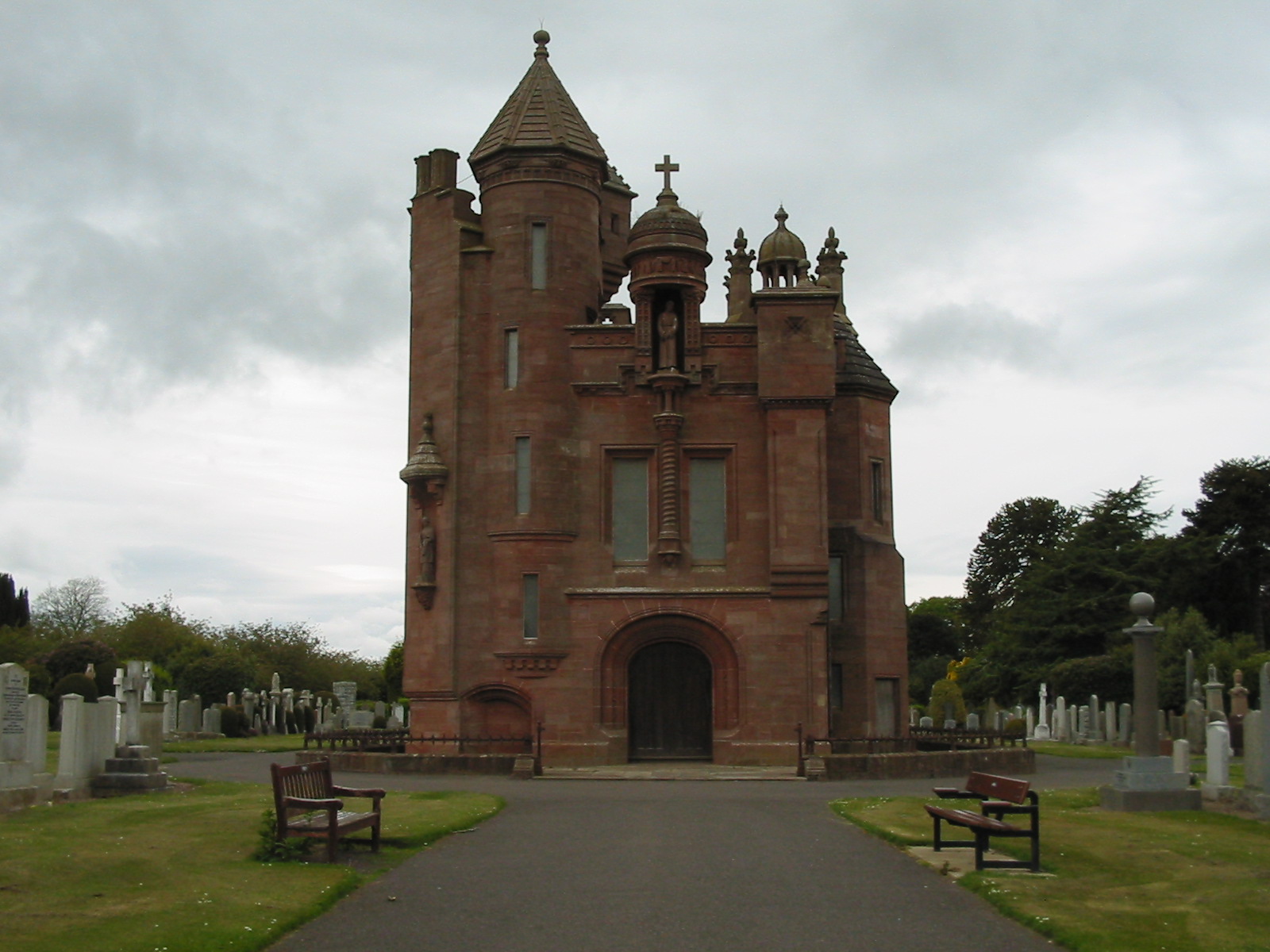
Western Cemetery Mortuary Chapel
Place: Arbroath
Patrick Allan-Fraser compressed the picturesque language of Hospitalfield into a small red-sandstone chapel for Arbroath’s Western Cemetery.
Westfield
Place: Findochty
Three ball-finialled gables and a dated 1904 front show the ornate end of Findochty’s progression from low fishing cottages to larger houses.
Westgate Co-operative Society Building
Place: Newmilns
A towered red-sandstone block records the scale and confidence of co-operative retailing in lace-era Newmilns.
Westgate Hall
Place: Denholm
This compact seventeenth-century building is a rare survivor of a minor hall type once more widespread across Scotland.
Whim Cottage, Kippford
Place: Kippford
Whim Cottage joins a taller cottage to a lower former warehouse or workshop, preserving Kippford’s domestic and waterside working history in one altered building.
White Cart Rolling Lift Bridge
Place: Renfrew
A steel truss span rolls back on curved tracks, preserving one of Scotland’s rare moving road bridges.